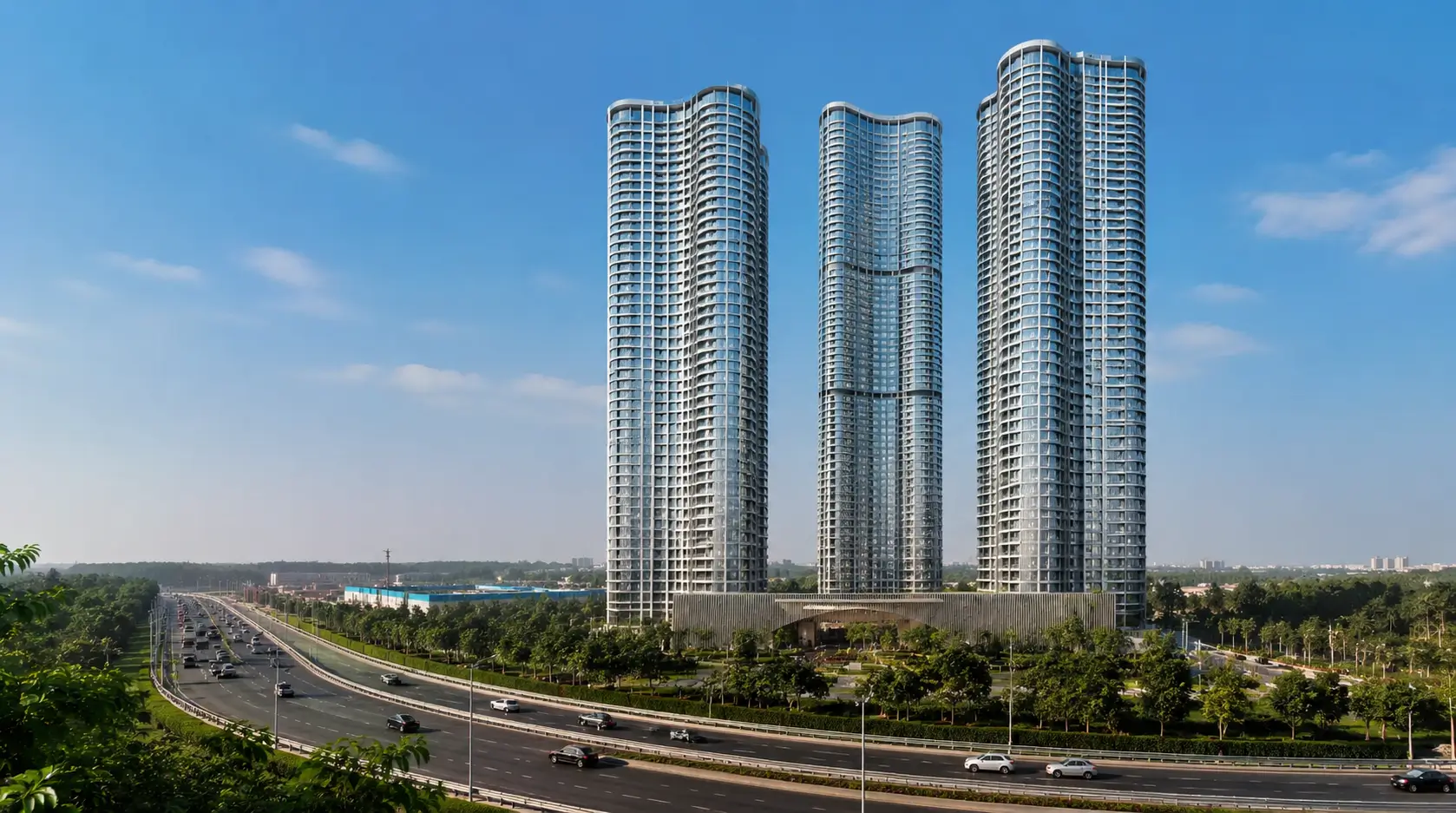
The rapid evolution of the contemporary metropolitan housing space highlights how discerning home buyers focus heavily on premium execution. In evaluating the commercial sustainability of premium estate holdings, navigating the critical balance between physical connectivity, layout intelligence, and construction transparency remains absolutely non-negotiable. #link# serves as an active reference point for analyzing how localized infrastructure pushes organic demand. To systematically analyze modern high-density vs low-density layouts, one must examine macro regional developments, localized structural blueprints, and underlying financial projections with extreme detail.
Investigating Micro-Market Connectivity and Tech-Hub Commute Paths
The implementation of grand state-sponsored infrastructure assets, transforms agricultural or secondary land parcels into high-value commercial zones. Empirical data from global real estate markets confirms that industrial employment corridors always precedes a sustained boom in residential real estate absorption. When an integrated township is built immediately adjacent to expanding aerospace special economic zones, property values experience structural upward adjustments as soon as the project approaches its final delivery phases. Moreover, the continuous improvement of localized social infrastructure, premium entertainment malls, and retail avenues fuels an active purchasing cycle for premium 3 BHK, 3.5 BHK, and 4 BHK luxury residences. Investors tracking these specific geographic variables can systematically eliminate location-based investment risks.
Premium Interior Material Specifications and Low-Density Spatial Philosophy
The premium valuation of a premier residential asset over multi-decade cycles is directly determined by the underlying building technology utilized during the core construction phase. Adopting automated structural casting methods featuring noise-dampening acoustic double-glazed exterior systems guarantees that the building structure safely outlasts conventional real estate constructions by several decades. When an elite real estate development prioritizes high-end architectural choices, the interior spaces balance aesthetic grandeur with functional longevity, using sustainable eco-certified materials throughout the layout. Simultaneously, the overarching master plan philosophy is shifting decisively toward ultra-low-density configurations. Providing massive multi-level lifestyle clubhouses surrounded by deep-rooted native tree canopies and water features the developer creates a rare, elite living environment that preserves long-term community exclusivity. Those analyzing these technical details are strongly encouraged to evaluate layout plans thoroughly.
Navigating Statutory Approvals, Land Documentations, and Risk Mitigation Checklists
For astute high-net-worth individuals evaluating long-term capital allocation options, high-end gated township properties consistently demonstrate vastly superior risk-adjusted returns than equity options. Acquiring luxury property units during the strategic pre-launch window optimizes the overall return on investment by reducing immediate cash-flow outlays during early engineering stages. Backed by elite corporate property management wings and global hospitality services, ongoing rental performance consistently exceeds traditional market percentages, establishing a highly reliable secondary cash flow network. However, achieving these lucrative financial rewards requires absolute dedication to thorough legal and regulatory verification. Verifying complete state-specific real estate regulatory authority compliance, widely known as the RERA approval registration, provides absolute piece of mind, allowing buyers to comfortably track construction milestones from anywhere in the world.
Analyzing the Tangible Value of Integrated Social Infrastructure and Hospitality
High-net-worth property buyers are actively seeking fully self-sustained residential ecosystems that optimize lifestyle efficiency. Incorporating fully automated household environmental controls and digital security networks, elevates daily residential functionality while systematically lowering here the aggregate carbon footprint of the home. Simultaneously, the physical amenity landscape within premium gated enclaves is undergoing a complete structural revolution. Integrating advanced co-working business lounges, private mini-theaters, and multi-cuisine restaurant facilities, the community design provides a vibrant, healthy, and highly secure environment for families to thrive over generations. Furthermore, having immediate access to premium on-campus medical checkup facilities and boutique retail zones guarantees that the entire township remains completely sustainable and eco-friendly for decades to come.
Final Synthesis on High-Yield Residential Property Selection Matrices
In summary, capitalizing on high-tier residential developments demands meticulous alignment across multiple critical dimensions: undivided land share protections, long-term rental yield capacity, and localized employment trends. Through a disciplined process of examining payment schedules, verifying infrastructure commitments, and conducting physical site visits, can confidently secure premier inventory that serves as a robust multi-generational wealth asset. As high-growth metropolitan corridors continue to transition into fully self-sustaining smart-city nodes, early buyers who locked in initial entry pricing will enjoy exceptional capital leverage and rent premiums.